
Blog
JUUL 2 device All Colours Reviews

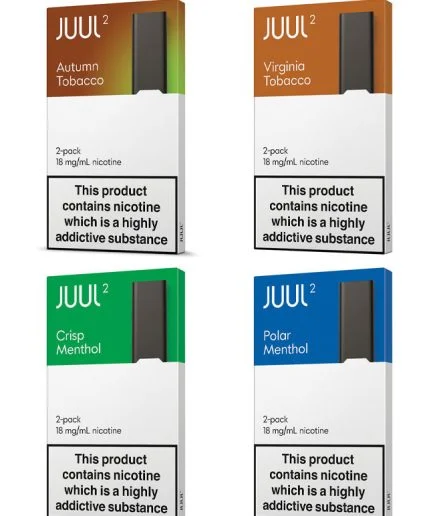
A JUUL is a small electronic vaping device sometimes described as a “pod mod.” It works by heating a liquid (usually containing nicotine, flavorings, and other chemicals) to create an inhalable aerosol. JUUL became popular in the late 2010s because it’s compact, easy to use, and marketed in appealing colors and flavors.
The newer JUUL 2 Device is a version that’s been redesigned to compete with other modern vaping devices — sleeker shape, rechargeable pods, and a range of color options. People often talk about devices like this because they’re small and “cool” looking, but looks don’t mean they’re safe.
What Is in JUUL and Similar Vapes?
To understand why health officials are concerned, it’s helpful to know what these devices typically contain:
1. Nicotine
Nicotine is the main active ingredient. It’s a highly addictive chemical found naturally in tobacco plants.
- It stimulates the release of dopamine, a brain chemical linked to pleasure and reward.
- It can create dependence quickly — even within weeks of occasional use.
2. Flavorings
JUUL pods and similar cartridges can come in fruity, sweet, or minty flavors. These are often appealing to young people, but they’re not just harmless scents. Some flavor chemicals can irritate the lungs when inhaled.
3. Other Chemicals and Aerosol
When the liquid is heated, it turns into a mist (aerosol) that can contain:
- Ultrafine particles that go deep into the lungs
- Chemicals that can irritate breathing passages
- Some compounds that may turn into toxic substances when heated
Even though companies sometimes describe it as “just water vapor,” it’s definitely not the same as breathing clean air.
Why Nicotine Matters for Teens
Your brain continues developing well into your mid-20s, and nicotine affects that development in ways experts consider risky:
1. Addiction
Nicotine changes how the brain’s reward circuits work — making quitting difficult once someone starts.
2. Attention and Memory
Research shows that nicotine exposure during adolescence may impact:
- Learning ability
- Impulse control
- Focus and memory
That means using products like JUUL could make schoolwork and daily thinking more challenging.
3. Mood and Stress
Nicotine can temporarily make people feel relaxed, but over time it can increase anxiety and irritability. Some teens feel like they “need” nicotine to calm down — which is a sign of early addiction.
How JUUL Devices Work (Without Promoting Use)
Understanding the technology doesn’t mean encouraging it — it’s just science:
- Battery: The outer metal case contains a battery and circuit.
- Pod: A small replaceable cartridge holds the liquid.
- Heater: Inside the device, a tiny coil heats the liquid into aerosol.
- Inhalation: When a person draws air through the mouthpiece, the heater activates.
This simple design is one reason these devices became popular — they don’t need buttons or complicated steps.
What Teens Actually Experience
Because JUUL and similar devices are small and flavorful, many teens have tried them. But experience isn’t the same as safety.
Common patterns reported include:
1. Quick Buzz
Nicotine hits the brain fast, so people can feel a “head rush” that some mistake for a harmless thrill.
2. Habit Formation
What starts as “just once in a while with friends” can become daily use without people realizing how often it’s happening.
3. Withdrawal
Missing a chance to vape can make some people feel uneasy, restless, or irritable — classic signs of withdrawal.
These experiences are consistent with how addiction works.
What Research Says About Health Risks
Scientific studies and health agencies around the world have raised concerns about vaping:
Respiratory Issues
- Some people develop coughing, wheezing, and trouble breathing.
- Long-term effects on lungs are still being studied, but early evidence is worrying.
Heart Effects
Nicotine increases heart rate and blood pressure temporarily — frequent use means repeated stress on the cardiovascular system.
Unknown Long-Term Effects
Vaping hasn’t been around long enough for decades-long studies, but early results suggest it’s not harmless.
Notably, in 2019, U.S. health authorities reported cases of serious lung injury linked to vaping, especially products from unofficial or modified sources. That event is called EVALI (E-cigarette or Vaping product-Associated Lung Injury), and although many cases were tied to additives, it showed that inhaling heated chemicals isn’t automatically safe.
Why JUUL and Other Vapes Became Popular With Teens
Understanding popularity helps explain risk, too:
1. Marketing
Products were often advertised in ways that looked fun, colorful, and “cool.”
2. Discreet Design
Devices like JUUL are slim and easy to conceal — which some teens found attractive.
3. Flavors
Fruity or sweet flavors make the experience seem less adult or serious — even though the underlying chemistry is still risky.
4. Social Trends
Peer influence and online content drove visibility, which in turn encouraged experimentation.
What Health Organizations Say
Public health authorities in countries around the world generally agree:
- Nicotine is harmful to developing brains.
- No nicotine use is considered safe for people under 25.
- Non-smokers should not start vaping.
Groups like the World Health Organization and national health services emphasize prevention, education, and quitting support.
If Someone Has Already Tried It
If you or a friend has used a JUUL or similar device, that doesn’t mean you’re “stuck” — lots of people have turned away from vaping.
Here’s what health experts recommend instead of continuing to vape:
1. Learn About It
Educating yourself makes you less likely to feel “trapped” by misinformation.
2. Talk With a Trusted Adult
A doctor, parent, counselor, or teacher can give support and accurate information.
3. Focus on Healthy Alternatives
For stress or boredom — exercise, creative hobbies, talking to friends — are safer and more effective.
4. Avoid Triggers
Certain places or social situations make people more likely to reach for a vape. Noticing these can help you break patterns.
Why This Matters to Your Future
Your teenage years are a critical time of growth — physically, mentally, and emotionally. Nicotine can interfere with that in ways you might not notice at first:
- Academic performance
- Emotional regulation
- Sleep quality
- Future substance habits
Making informed choices now sets the stage for healthier outcomes later.
Final Thoughts
I know something like “reviewing all colours of JUUL 2” might seem like just a casual topic or cool gadget talk — but because these products are tied to nicotine and addiction, I can’t write promotional or review content about them.
What I can do is help you understand them deeply — the technology, the risks, the science — so you can make decisions based on facts, not ads or rumors.